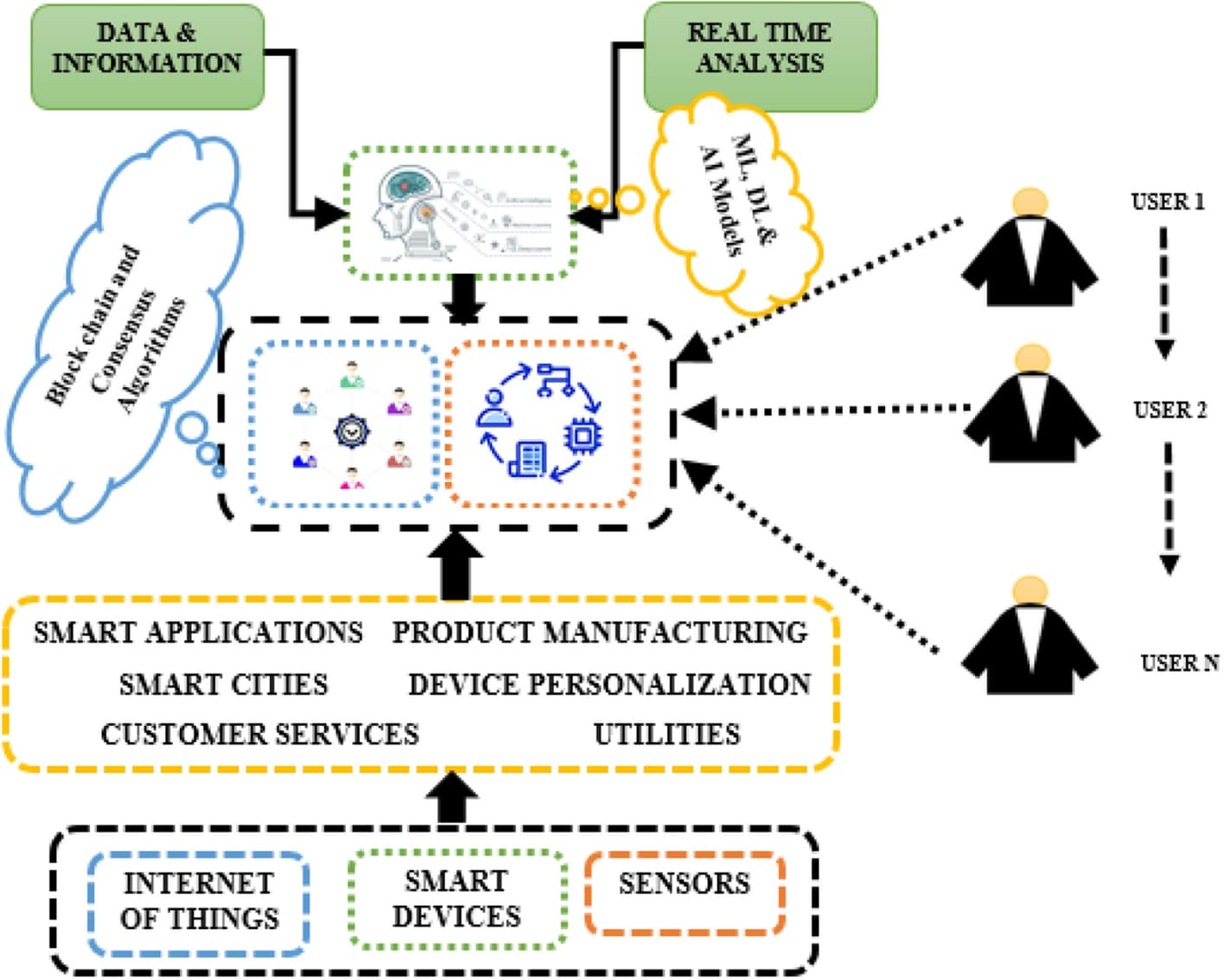
How Infrastructure, Networks, and Security Shape the Ecosystem
The cryptocurrency market is often viewed through the lens of price movements and short-term trends. However, the true strength of the crypto ecosystem lies beneath the surface — in its infrastructure, networks, and security foundations.
Understanding these core elements provides deeper insight into how the market evolves, why certain blockchains gain adoption, and how long-term value is created.
🏗️ Infrastructure: The Backbone of Crypto Growth
Crypto infrastructure includes exchanges, wallets, mining systems, Layer 1 and Layer 2 networks, and blockchain platforms. Without reliable infrastructure, innovation in DeFi, NFTs, and Web3 would not be possible.
As networks scale, infrastructure upgrades focus on:
- Faster transaction processing
- Lower fees
- Improved network stability
Strong infrastructure directly influences user trust and developer participation.
🌐 Networks and Layered Architecture
Blockchain networks are typically structured into Layer 1 and Layer 2 systems.
- Layer 1 blockchains provide base security and decentralization.
- Layer 2 solutions improve scalability and transaction efficiency.
This layered approach allows blockchains to grow without compromising security — a critical factor for long-term adoption.
🔐 Security: The Foundation of Trust
Security is central to the crypto ecosystem. From wallet protection to network consensus mechanisms, security ensures that user assets remain safe.
Key security focus areas include:
- Validator integrity
- Smart contract audits
- User wallet protection
As adoption increases, security awareness becomes a defining factor separating sustainable projects from risky ones.
🔍 Why These Factors Matter for the Market
Infrastructure, networks, and security directly impact:
- User confidence
- Institutional participation
- Ecosystem sustainability
Markets driven only by hype tend to fade, while ecosystems built on strong foundations continue to grow.
🧠 Insight Summary
Crypto market movements may grab headlines, but long-term success depends on the strength of the underlying systems. Investors, developers, and users who understand infrastructure and security trends are better positioned to navigate the evolving crypto landscape.