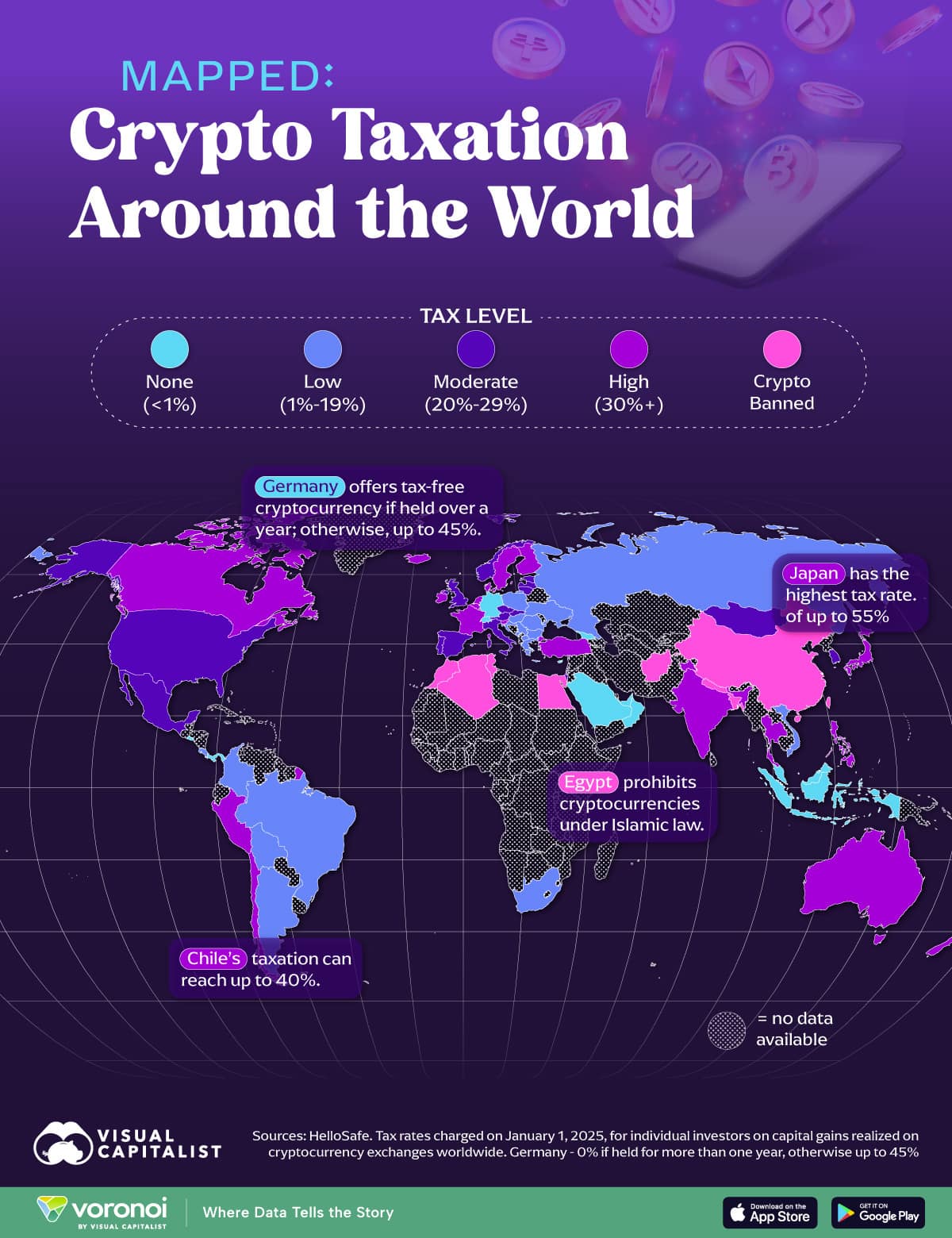
In 2026, the crypto world is experiencing one of its biggest regulatory shifts yet as major tax transparency rules take effect worldwide. New frameworks such as DAC8 (Directive on Administrative Cooperation 8) and the Crypto-Asset Reporting Framework (CARF) are now being implemented — forcing exchanges and other crypto service providers to collect, verify, and share detailed user transaction and tax data with authorities across borders.
The goal is to fight tax evasion and increase transparency, but critics warn that these rules could significantly impact privacy and compliance for everyday crypto users and platforms.
What Are DAC8 & CARF?
📊 DAC8
The European Union’s DAC8 directive went into force on January 1, 2026, requiring all 27 EU member states to implement strict tax reporting rules for crypto-asset transactions.
Under DAC8:
- Crypto exchanges must collect user identity, transaction history and tax information
- Data must be shared automatically between EU tax authorities
- First reports are expected by September 30, 2027
This means the tax authorities in one EU country can see a user’s crypto activity in another — just like traditional bank account reporting.
🧾 CARF — Global Tax Reporting
The Crypto-Asset Reporting Framework (CARF), developed by the OECD, sets a global standard for crypto tax transparency, and over 40 countries are now enforcing it from 2026.
Under CARF:
- Exchanges, wallets and crypto service providers must collect and report detailed user transaction data
- National tax authorities then exchange that data internationally
- Countries including the UK, South Africa, and Japan are among the first adopters
How It Affects Crypto Users and Platforms
📍 Exchanges & Wallets
Crypto platforms now must:
✔ Know your customer (KYC)
✔ Collect income, gains, transfers and trade details
✔ Report that data to tax authorities annually
Failure to comply can lead to penalties and restrictions.
📍 Privacy Concerns
Critics argue that increased transparency goes too far, sacrificing privacy for tax compliance. Some commentators have said DAC8 and CARF essentially end crypto anonymity for users within Europe and participating countries.
Global Patchwork of Rules
Different countries are implementing their own versions of these frameworks:
- 🇫🇮 Finland plans its own crypto reporting system under CARF and DAC8 by 2026.
- 🇱🇻 Latvia is implementing DAC8 & CARF into domestic law with clear reporting and penalty rules.
- 🇬🇧 UK and EU have started enforcing CARF-based reporting on exchanges from early 2026.
What This Means for Investors
📉 More Compliance
Investors need to:
- Maintain accurate transaction records
- Report capital gains and losses
- Declare crypto income clearly in tax filings
🔍 Greater Transparency
Tax authorities can now see a more complete picture of a taxpayer’s global crypto activity.
⚠️ Privacy Tradeoff
Although aimed at reducing tax evasion, many users see it as a tradeoff between compliance and personal financial privacy.
Conclusion
2026 marks a turning point in crypto regulation and taxation. With the rollout of DAC8 in the EU and CARF globally, crypto tax reporting has moved from voluntary or partial reporting to automated, detailed, cross-border data exchange.
While this promises better transparency and crackdown on tax evasion, it also brings new compliance burdens and privacy concerns for users and platforms worldwide.
Crypto investors are now advised to keep precise records, understand their local tax laws, and stay informed about international reporting standards.